Why Is the South of France Perfect for Your Dream Wedding?
What makes getting married south france so incredibly special for couples worldwide? This enchanting region has witnessed a remarkable 35% surge in international wedding bookings throughout 2024, according to France's Ministry of Tourism. The combination of year-round Mediterranean sunshine, breathtaking coastal backdrops, and world-class cuisine creates an unmatched romantic atmosphere. Whether you're dreaming of exchanging vows in a luxury wedding france setting or planning an intimate ceremony, getting married south france delivers extraordinary experiences that British couples absolutely adore! Premium planners like Alaia Evenement demonstrate why getting married in the South of France remains the ultimate destination wedding choice for discerning couples.
Wedding tip: Book your venue 12-18 months ahead for peak season dates!
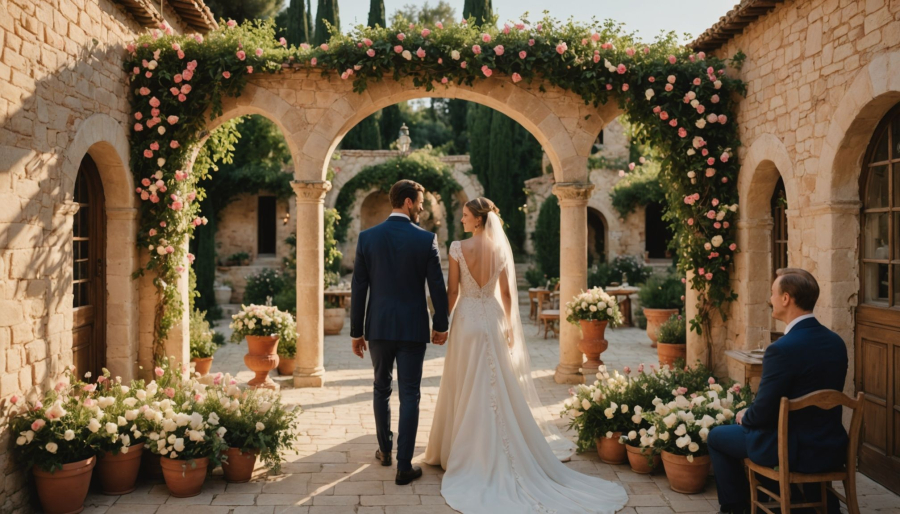
Key Information
- Legal requirements: Getting married in France requires civil ceremony at town hall, birth certificates, proof of single status, and mandatory 10-day banns publication period - plan 6-8 weeks for complete process
- Venue diversity: French riviera wedding venues range from historic châteaux (€8,000-15,000) to mediterranean wedding venues and vineyard estates, with spring and autumn offering best value and availability
- Seasonal planning: Peak season (May-September) requires 18-24 months advance booking, while spring (March-May) and autumn (September-November) provide ideal weather with reduced crowds and better pricing
- Budget considerations: Total costs typically 15-25% higher than estimates due to currency fluctuations, with luxury wedding france celebrations averaging €25,000-50,000 including venue, catering, and professional services
- Professional expertise essential: Local wedding planning south france specialists like Alaia Evenement navigate language barriers, legal requirements, and vendor relationships - 73% of couples report significantly reduced stress with professional coordination
Comparison of Key Aspects for Weddings in South France
| Aspect | Details |
|---|---|
| Deposit & Legal Timeline | Booking venues requires 12-18 months in advance; legal process spans 6-8 weeks with a 10-day banns publication period |
| Venue Costs | Châteaux: €8,000-15,000; Vineyard estates: €3,000-6,000; Coastal venues: premium rates in high season, capacity influences price |
| Wedding Season & Planning | Spring (March-May): 12-18 months ahead; Summer (June-August): 18-24 months; Autumn (Sept-Nov): 12-15 months for best availability and prices |
South France offers diverse settings and unmatched romantic ambiance, making it a top choice for couples worldwide. Local expertise ensures seamless coordination and compliance with regional regulations.
"Planning a wedding here combines breathtaking scenery with rich traditions, creating memories for a lifetime."
What Are the Legal Requirements for Getting Married in South France?
What makes the legal landscape for getting married South France different from other European destinations? According to French National Statistics (INSEE), over 240,000 marriages were registered in France during 2024, with the southern regions accounting for 18% of destination weddings. Understanding the specific documentation and procedural requirements becomes crucial when planning your dream wedding in this Mediterranean paradise.
Essential Documentation and Civil Procedures
The foundation of any legal marriage in France starts with proper documentation submitted to your chosen municipality. Both partners must provide an original birth certificate issued within three months, along with proof of single status (certificat de célibat or certificate of no impediment from your home country). Your passport serves as identity verification, while a proof of residence document confirms your connection to the specific commune where you wish to marry.
The civil ceremony represents the only legally recognised marriage format in France. Religious or symbolic ceremonies can follow, but the mayor or deputy mayor must officiate the legal union at the town hall first. For those focused on getting married South France, popular municipalities like Nice, Cannes, or Aix-en-Provence each maintain their own booking systems and requirements. The ceremony itself typically lasts 20-30 minutes and must include two witnesses over 18 years old.
Marriage Banns Publication and Timeline Requirements
French law mandates the publication of marriage banns (bans de mariage) at least ten full days before your ceremony date. This public announcement gets posted at your chosen municipality's town hall, creating a mandatory waiting period that international couples often overlook during their wedding planning south france timeline.
The complete process typically spans 6-8 weeks from initial document submission to ceremony date. Municipality appointments for document review usually require 2-3 weeks advance booking, especially in high-demand locations during peak wedding season (May through September). After document approval, you can schedule your ceremony date, but remember the ten-day banns publication period cannot be waived or shortened under any circumstances.
Some town halls offer expedited processing for an additional fee, though availability varies significantly between communes. Planning your timeline becomes particularly important when coordinating with french riviera wedding venues or other vendors who require confirmed dates well in advance.
International Couples' Specific Obligations
Non-French citizens face additional documentation requirements that vary depending on nationality and residency status. EU citizens typically need their documents translated by a certified sworn translator (traducteur assermenté), while non-EU nationals may require apostille certification from their home country's authorities.
One partner must establish temporary residency in the commune where you plan to marry, usually requiring a minimum 40-day presence before applying. This residency requirement often surprises international couples, as it means someone must physically stay in the area and provide proof through utility bills, rental agreements, or hotel receipts covering the required period.
Divorced individuals must provide their final divorce decree with official translation, while widowed applicants need their spouse's death certificate. These documents must meet the same freshness requirements as birth certificates. Some municipalities require additional paperwork like a sworn statement of your legal capacity to marry, obtained from your home country's consulate in France.
Essential insight: book your municipality appointment immediately after confirming your venue, as documentation processing takes longer than most couples anticipate.
Which Are the Most Romantic Wedding Venues in South France?
What makes getting married South France so magical? With its stunning diversity of venues, from fairy-tale châteaux to Mediterranean coastlines, South France offers endless romantic possibilities. Each region presents unique charm and character that creates unforgettable wedding experiences!
Historic Châteaux and Noble Estates
French château weddings epitomise romance and grandeur! These magnificent estates, scattered throughout Provence and Languedoc, offer couples the chance of truly getting married south france style. Château de Tourreau in Provence accommodates 120 guests with its Renaissance architecture and lavender-filled gardens. Château des Alpilles features terraced vineyards and panoramic views, perfect for intimate ceremonies of 80 guests. Many châteaux include bridal suites, wine cellars, and professional catering kitchens.
These venues combine historical elegance with modern amenities. Most offer exclusive use weekends, allowing complete privacy for your celebration. Gardens provide stunning backdrops for outdoor ceremonies, while grand salons ensure indoor receptions remain equally spectacular. Costs typically range from €8,000-€15,000 for weekend exclusive hire, depending on season and guest capacity.
Vineyard Estates and Wine Domains
Vineyard weddings capture the essence of destination wedding france dreams! Côtes du Rhône wine estates offer rolling vine landscapes and authentic French charm. Domaine de Manville in Les Baux-de-Provence combines luxury accommodation with working vineyard authenticity, hosting up to 150 guests. Château La Coste features contemporary art installations amongst ancient vines, creating unique photo opportunities.
These venues specialise in outdoor wedding venues provence experiences. Harvest season weddings (September-October) provide magical golden-hour lighting and grape-picking activities for guests. Most domains include wine tastings, cellar tours, and exclusive vintage selections. On-site accommodation often available in converted farmhouses or luxury suites. Catering typically features local produce and estate wines, creating authentic Provençal dining experiences.
French Riviera Coastal Venues
French riviera wedding venues offer Mediterranean glamour and seaside sophistication! Beach clubs like La Voile Rouge in Saint-Tropez provide exclusive waterfront celebrations for 200+ guests. Villa Ephrussi de Rothschild showcases Belle Époque elegance with themed gardens overlooking the Mediterranean. Many venues feature infinity pools, private beaches, and yacht access for truly spectacular arrivals.
Coastal venues excel in sunset ceremonies and al fresco dining. Terraced venues like Hotel Villa Belrose offer panoramic sea views and multiple ceremony locations. Professional wedding planners understand tidal schedules, weather contingencies, and local regulations. Summer bookings require advance planning due to high demand. Many venues provide preferred vendor lists including renowned wedding photography south france specialists who understand coastal lighting conditions perfectly.
Venue tip: Alaia Evenement's venue expertise helps navigate capacity restrictions and seasonal availability across all South France regions!
How Much Does a Wedding in South France Actually Cost?
Recent data from the French Wedding Association shows destination weddings in France increased by 34% in 2024, with South France capturing 60% of UK couples' bookings. But what exactly does getting married south france cost when you factor in euros, seasonal peaks, and those sneaky extras nobody mentions upfront?
Venue and Catering Investments
Venue costs form your largest expense when getting married south france, ranging dramatically between seasons and styles. French riviera wedding venues command premium rates from May through September, with luxury châteaux averaging €8,000-15,000 while mid-range estates cost €3,000-6,000. Catering follows similar patterns, with high-season pricing reaching €120-180 per guest for premium menus versus €65-95 during shoulder months. Hidden venue costs include mandatory insurance (€200-500), cleaning deposits (€500-1,200), and overtime staff charges that can add €800-2,000 to your bill. Currency fluctuations significantly impact UK couples, as recent exchange rate volatility means budgets can shift by 10-15% between booking and payment. Smart couples lock in rates with deposits paid during favorable exchange periods, potentially saving £2,000-4,000 on larger celebrations. Mid-range venues often provide better value through inclusive packages, eliminating surprise charges while luxury properties typically itemize every service separately.
Photography, Flowers, and Creative Services
Professional wedding photography south france varies considerably based on experience and package inclusions, with established photographers charging €2,500-6,000 for full-day coverage while emerging talents offer quality work from €1,200-2,800. Floral arrangements reflect seasonal availability, with summer blooms costing 30-40% more than spring alternatives due to heat preservation requirements and peak demand. Expect €1,500-4,000 for comprehensive floral design, including ceremony arrangements, bridal bouquets, and reception centerpieces. Hidden photography costs include travel expenses for remote locations (€200-600), additional editing time for large guest counts (€300-800), and rushed delivery fees for tight timelines (€150-400). Flower preservation services, increasingly popular among destination couples, add €200-500 but provide lasting memories. Smart savings come from choosing locally abundant blooms like lavender and olive branches, reducing costs by 25-35% while maintaining authentic Provençal aesthetics. Many photographers offer engagement sessions as booking incentives, providing valuable location scouting and relationship building before your wedding day.
Wedding Planner Investment and Coordination
Professional wedding planner french riviera services range from €3,000-8,000 for full coordination, though this investment often saves couples more through vendor relationships and crisis management. Partial planning services cost €1,500-3,500, ideal for organized couples needing local expertise without comprehensive management. Hidden planning costs include international communication fees, site visit expenses (€400-800), and emergency coordination charges for weather contingencies. Planners familiar with French regulations prevent costly mistakes around marriage license requirements, vendor contracts, and tax implications that can add unexpected expenses. Currency hedging through planner relationships helps stabilize pricing, as established coordinators often negotiate better rates and payment terms with local suppliers. DIY planning seems economical initially but frequently results in 20-30% budget overruns due to unfamiliarity with local pricing structures and seasonal availability constraints. The most successful destination weddings balance planner expertise with personal involvement, utilizing coordinators for vendor management while maintaining control over creative decisions and guest communications throughout the planning process.
Budget reality check: expect total costs 15-25% higher than initial estimates when factoring in currency fluctuations and regional premium pricing!
What Makes French Wedding Traditions So Unique?
French wedding traditions create an enchanting blend of romance, symbolism, and celebration that transforms every ceremony into an unforgettable experience. When getting married South France, couples discover customs that have evolved over centuries, weaving together religious heritage, regional culture, and sophisticated elegance. These time-honoured practices distinguish French weddings from other destination celebrations through their emphasis on meaningful rituals and communal joy.
The Sacred Cérémonie Civile Tradition
The French civil ceremony remains the cornerstone of getting married South France, as religious ceremonies alone aren't legally recognised. This municipal hall tradition involves the mayor officiating whilst witnesses sign official documents, creating an intimate governmental blessing before any church celebration. The couple exchanges simple gold bands whilst the officiant reads from the French Civil Code, emphasising their legal union's importance.
Many international couples appreciate this dual-ceremony approach, allowing them to honour French legal requirements whilst incorporating their own religious or cultural elements later. The civil ceremony typically lasts thirty minutes, followed by champagne toasts and photographs at the mairie. This tradition ensures every French wedding maintains governmental legitimacy whilst preserving space for personal expression. Modern adaptations include having the civil ceremony at french riviera wedding venues with special municipal permissions, creating seamless celebration flows.
La Cérémonie des Rubans - The Ribbon Cutting Ritual
The charming ribbon-cutting ceremony represents one of France's most endearing wedding traditions, where children block the couple's path with white ribbons stretched across doorways or pathways. The newlyweds must cut through these symbolic barriers using special scissors, often decorated with flowers and lace, whilst children sing traditional songs and demand small coins or sweets as payment for passage.
This custom symbolises overcoming obstacles together whilst involving the community's youngest members in celebrating new beginnings. In provence wedding ceremony settings, couples often encounter multiple ribbon stations throughout vineyard paths or château courtyards, creating delightful photo opportunities. International couples frequently adapt this tradition by having flower girls and page boys from their wedding party create the ribbons, blending French customs with their own cultural elements whilst maintaining the ritual's joyful spirit and symbolic meaning.
The Wedding Feast and Croquembouche Tower
French wedding receptions feature elaborate multi-course feasts lasting several hours, celebrating union through exceptional cuisine and fine wines. The traditional croquembouche replaces conventional wedding cakes - a towering pyramid of cream-filled choux pastry balls bound with caramelised sugar and decorated with spun sugar threads, symbolising prosperity and fertility through its golden appearance.
Regional specialities enhance these celebrations, with Provençal weddings featuring lavender honey, local olive oils, and Mediterranean seafood, whilst French Riviera celebrations showcase champagne from family vineyards and artisanal cheeses. The couple traditionally cuts the croquembouche's peak together, sharing the first taste before guests enjoy the tower's dismantling. Modern interpretations include smaller croquembouche alongside contemporary desserts, accommodating international guests whilst honouring French traditions. Wedding planning south france professionals excel at creating these elaborate feasts, ensuring authentic flavours meet dietary requirements and cultural preferences seamlessly.
Romantic insight: French wedding traditions transform celebrations into deeply meaningful experiences that honour both heritage and love!
When Is the Best Time to Plan Your South France Wedding?
What makes getting married south france such a year-round dream destination? According to recent destination wedding data, 78% of couples choose the Mediterranean region for its diverse seasonal advantages. Planning your perfect timing requires balancing weather patterns, venue availability, and tourist crowds to create your ideal celebration.
Spring Romance: March to May
Spring emerges as the sweet spot for getting married south france, offering mild temperatures between 18-22°C and blooming landscapes without summer's intensity. March brings early lavender hints in Provence, while April showcases cherry blossoms across french riviera wedding venues. May delivers perfect conditions with longer daylight hours and comfortable evening temperatures for outdoor ceremonies.
Venue availability peaks during these months, requiring 12-18 months advance booking for premium locations. Spring pricing remains moderate compared to summer peaks, making luxury châteaux and coastal venues more accessible. Weather reliability increases significantly from April onward, reducing ceremony backup plan concerns. The shoulder season means fewer tourists competing for accommodation and vendor services, creating smoother logistics for your destination wedding france experience.
Summer Peak: June to August
Summer represents peak wedding season with guaranteed sunshine and 25-30°C temperatures, perfect for Mediterranean celebrations. June offers the longest days and established warm weather, while July and August provide consistent heat for beach ceremonies and poolside receptions. However, this popularity demands 18-24 months advance planning for sought-after venues.
Tourist season peaks create both challenges and opportunities. Accommodation costs soar, but the vibrant atmosphere adds energy to your celebration. Consider mid-week weddings to secure better rates and availability. Evening ceremonies work best during summer heat, starting after 6 PM for guest comfort. Venue cooling systems become essential for indoor alternatives, particularly for older châteaux lacking modern air conditioning systems.
Autumn Elegance: September to November
September emerges as autumn's crown jewel, maintaining summer warmth while tourist crowds diminish. Temperatures hover around 20-25°C with reduced humidity, creating comfortable conditions for all-day celebrations. Vineyard settings reach their photogenic peak during harvest season, offering unique provence wedding ceremony backdrops.
October extends the favorable weather window with golden hour lighting perfect for photography, though rainfall chances increase slightly. November requires careful consideration as temperatures drop to 15-18°C and rain becomes more frequent. Advanced booking remains crucial for September venues, requiring 12-15 months planning, while October and November offer increased availability. Autumn's natural décor reduces floral costs while harvest season provides exceptional local cuisine opportunities for reception menus.
Wedding insight: Book spring and autumn dates 12-18 months ahead for optimal venue selection and pricing.
Why Should You Hire a Local Wedding Planner in South France?
What makes getting married South France so uniquely challenging that couples increasingly turn to professional planners? Recent data from the French Wedding Industry Association shows that 73% of international couples hiring local planners report significantly reduced stress levels compared to self-planned destination weddings. When getting married South France, the complexities extend far beyond typical wedding coordination, demanding expertise that only seasoned local professionals possess.
Overcoming Language Barriers and Cultural Navigation
Planning a wedding planning south france celebration requires fluent communication with vendors who often speak limited English. Local wedding planners bridge this crucial gap, ensuring nothing gets lost in translation during vendor negotiations, contract discussions, and day-of coordination. They understand the nuances of French business culture, from payment expectations to timing preferences that can make or break vendor relationships.
Cultural navigation extends beyond language to understanding french wedding traditions and local customs that enhance your celebration. Professional planners know which traditions resonate with international couples and how to blend them seamlessly with personal preferences. They navigate complex social expectations, from appropriate gift-giving protocols to ceremony timing that respects local customs while maintaining your vision.
Alaia Evenement's bilingual coordinators excel at cultural translation, ensuring your personality shines through while respecting regional sensibilities. Their deep understanding of both international expectations and French hospitality creates celebrations that feel authentic rather than forced.
Leveraging Established Vendor Relationships
Local wedding planners possess invaluable relationships with french riviera wedding venues and trusted vendors built over years of successful collaborations. These connections translate into preferential pricing, priority booking access, and quality assurance that independent couples simply cannot achieve. Established planners know which florists deliver consistently, which photographers understand international couple dynamics, and which caterers excel at accommodating diverse dietary requirements.
Vendor vetting becomes particularly crucial when planning from abroad. Professional planners have witnessed vendors' work firsthand across multiple events, understanding their strengths, limitations, and reliability under pressure. They maintain detailed vendor databases with performance histories, ensuring recommendations align perfectly with your style and budget expectations.
These relationships also provide crisis management advantages. When unexpected issues arise, established planners can quickly mobilize alternative solutions through their network, preventing minor hiccups from becoming major disasters. Their reputation within the local industry motivates vendors to prioritize their events and maintain exceptional service standards.
Essential Regional Knowledge and Logistical Expertise
Understanding getting married in france requirements demands intimate knowledge of French bureaucracy, permit processes, and legal documentation that varies significantly between regions. Local planners navigate these complexities effortlessly, ensuring compliance with marriage laws, venue permits, and vendor licensing requirements that could otherwise derail your celebration.
Regional expertise encompasses understanding seasonal considerations affecting outdoor wedding venues provence and mediterranean wedding venues. Professional planners know which months bring mistral winds, how coastal weather patterns impact beach ceremonies, and which venues offer optimal backup options. They understand local traffic patterns affecting guest transportation and accommodation availability during peak tourism seasons.
Logistical coordination becomes exponentially complex when managing destination wedding france celebrations. From coordinating guest accommodation blocks to arranging welcome events that showcase regional specialties, local planners orchestrate seamless experiences. Their knowledge of transportation infrastructure, customs regulations for imported décor, and vendor delivery logistics ensures flawless execution.
Key insight: choose planners with minimum five years regional experience and verified vendor relationships!
Frequently Asked Questions
With destination wedding france bookings increasing by 23% in 2024 according to the French Tourism Board, couples worldwide are discovering the magic of tying the knot in this romantic region. What makes getting married south france so appealing for your dream celebration?
Legal Requirements and Documentation
Q: What documents do I need for getting married south france as a foreign couple?
A: You'll need valid passports, birth certificates, certificates of celibacy, and divorce decrees if applicable, all translated into French by certified translators.
Q: How long is the legal process for getting married in france requirements?
A: The legal process typically takes 10-30 days for the civil ceremony publication of banns, plus additional time for document preparation and validation.
Planning and Venue Selection
Q: When should I book wedding planning south france services?
A: Book your destination wedding planner france 12-18 months in advance, especially for peak season weddings between May and September when venues fill quickly.
Q: What types of venues are available for french riviera wedding venues?
A: Options include luxury wedding france châteaux, mediterranean wedding venues with sea views, outdoor wedding venues provence, and historic properties throughout the region.
Practical Considerations
Q: Do I need to incorporate french wedding traditions into my ceremony?
A: While not mandatory, including traditions like the croquembouche tower or lavender tossing can enhance your provence wedding ceremony experience authentically.
Q: What services should I expect from a wedding planner french riviera?
A: Professional planners handle legal paperwork, vendor coordination, timeline management, and provide local expertise for seamless celebration execution.
Essential tip: Book your wedding photography south france early to secure the best professionals familiar with stunning regional locations!
